
Everything You Need to Know About How AI is Changing the Music Industry in 2025
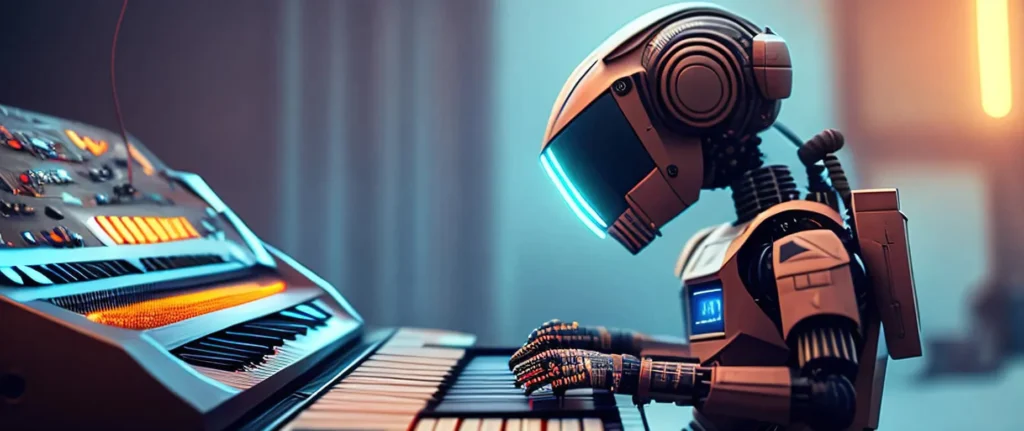
Artificial Intelligence (AI) is revolutionizing the music industry in 2025, reshaping how songs are composed, produced, distributed, and consumed. From AI-generated vocals to personalized music recommendations, the impact of AI is undeniable. In this article, we explore how AI is changing music creation, artist careers, and the business of music.
AI-Powered Music Composition & Production
AI-driven music composition tools like OpenAI’s MuseNet, Boomy and AIVA are making it easier for musicians, producers, and independent artists to create high-quality tracks with minimal resources. These platforms use deep learning algorithms to generate melodies, harmonies, and even full compositions.
Key Developments:
- AI-Generated Songs: AI can now compose entire songs, including lyrics, chord progressions, and instrumentals.
- Virtual Artists & AI Singers: AI-generated vocalists like Hatsune Miku and deepfake voice synthesis tools allow for synthetic, hyper-realistic vocal recordings.
- AI Mixing & Mastering: Services like LANDR and iZotope use machine learning to automatically mix and master tracks, making professional-level production accessible to everyone.
AI in Music Distribution & Marketing
AI is streamlining the way music reaches listeners through personalized recommendations, data-driven marketing, and smart distribution strategies.
AI’s Role in Music Marketing:
- AI-Powered Playlists & Music Discovery: Streaming services like Spotify, Apple Music, and YouTube Music use AI algorithms to curate personalized playlists, helping artists reach their target audience.
- Predictive Analytics: AI tools can analyze social media trends, listener behavior, and streaming data to predict the next big hit and optimize promotional strategies.
- Automated Social Media Content: AI-generated captions, video edits, and automated posting help musicians engage their audience without spending hours on content creation.
AI and Music Copyright Issues
The rise of AI-generated music raises questions about copyright, ownership, and fair compensation for artists. If you’d like more information around this topic check out EFF (Electronic Frontier Foundation)
Key Concerns:
- Who Owns AI-Generated Music? Copyright laws are still evolving to determine whether AI-generated works belong to the programmer, the user, or the AI itself.
- Deepfake Voice Controversies: AI-generated voices of famous artists have sparked ethical debates about consent and licensing.
- Plagiarism & Originality: AI music generation tools are trained on existing compositions, raising concerns about unintentional similarities to copyrighted works.
How AI is Changing Live Music & Concert Experiences
AI is transforming live performances and fan engagement in ways never seen before.
- Holographic Concerts: AI-driven holograms allow legendary artists to perform posthumously.
- Virtual Reality (VR) & Augmented Reality (AR): Fans can experience live performances from anywhere through immersive technology.
- AI-Enhanced Setlists: AI can analyze audience reactions in real-time and adjust setlists to keep the energy high.
Will AI Replace Human Musicians?
Despite AI’s rapid advancements, at Vocal Buzz we think it is unlikely to replace human musicians. Instead, AI is becoming a powerful tool for artists to enhance creativity, streamline workflows, and push the boundaries of music production. The human touch—emotion, storytelling, and cultural nuance—remains irreplaceable.
Conclusion: The Future of AI in the Music Industry
AI is reshaping every aspect of the music industry in 2025, from composition and production to distribution and live performances. As technology continues to evolve, musicians who embrace AI will find new opportunities for creativity and success. However, ethical and legal questions surrounding AI-generated music still need to be addressed to ensure a fair and sustainable future for artists.
What are your thoughts on AI in music? Leave a comment below and let’s discuss!